

Key Takeaways:
Smart Electrical Panels for Solar Integration, Home Energy Monitoring, and Battery Backup
- Smart electrical panels replace traditional breaker boxes with app-connected systems that monitor and control every circuit in your home.
- SPAN and similar smart panels integrate with solar arrays and battery storage to extend backup runtime by up to 40% during outages.
- Washington homeowners can avoid costly 400A service upgrades by using intelligent load management features built into smart panels.
- Northwest Electric and Solar installs SPAN smart panels as a SPAN Premier Installer with expertise in Washington’s energy landscape.
What Is a Smart Electrical Panel and How Does It Work?
A smart electrical panel replaces your standard breaker box with an intelligent, internet-connected system that monitors and manages your home’s electricity in real time. Unlike traditional panels that simply distribute power and trip during overloads, a smart panel gives you circuit-level visibility and remote control through a mobile app.
The technology uses advanced sensors and software to track exactly where every watt goes in your home. You can see which appliances draw the most power, identify patterns in your usage, and make informed decisions about when to run high-demand equipment like EV chargers or heat pumps.
For Washington homeowners adding solar panels and battery storage, this level of insight transforms how you interact with your home energy system. Instead of guessing whether your battery can handle an outage, you know precisely how long your backup will last based on which circuits remain active.


Why Are Washington Homeowners Upgrading to Smart Panels?
The Pacific Northwest presents unique challenges for home energy management. Winter storms regularly knock out power for hours or days, and utility rates from Puget Sound Energy and other providers continue climbing. Washington homeowners face a practical question: how do you electrify your home without overloading your existing electrical infrastructure?
Many older Seattle-area homes have 100A or limited 200A electrical service. Adding an EV charger, heat pump, and induction range to these homes traditionally requires a full service upgrade costing $8,000 to $20,000 or more. Smart panels offer a different path forward.
By intelligently managing when high-draw appliances run, smart panels let you add modern equipment to your existing service. The panel monitors your total electrical load and automatically pauses lower-priority circuits during peak demand moments, keeping your home within safe operating limits without expensive utility infrastructure work.
How Do Smart Panels Integrate with Solar Energy Systems?
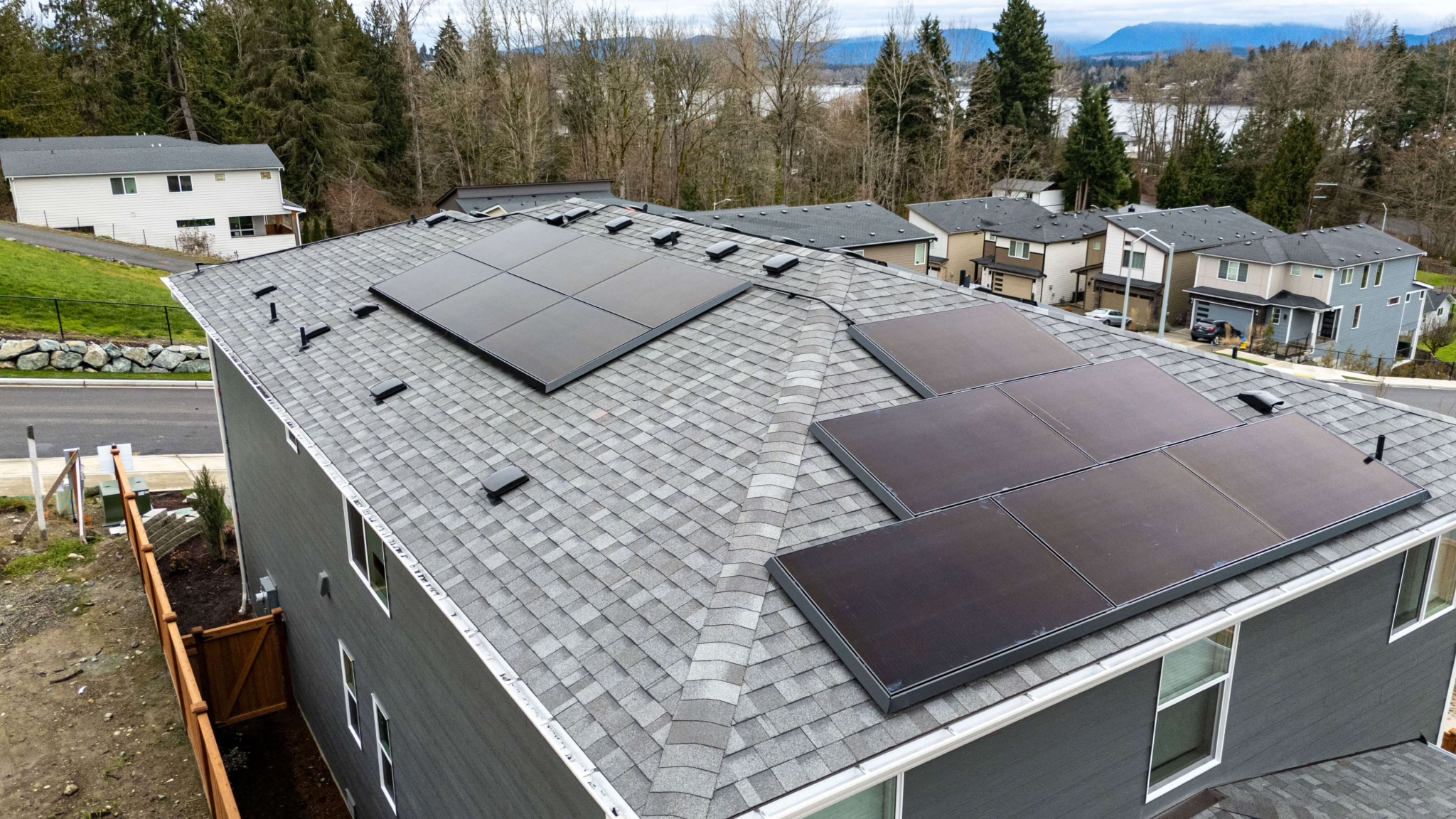
Smart electrical panels serve as the central hub connecting your solar panels, battery storage, and household circuits. When your solar array generates more electricity than your home needs, the smart panel directs that excess energy to your battery or back to the grid through net metering.
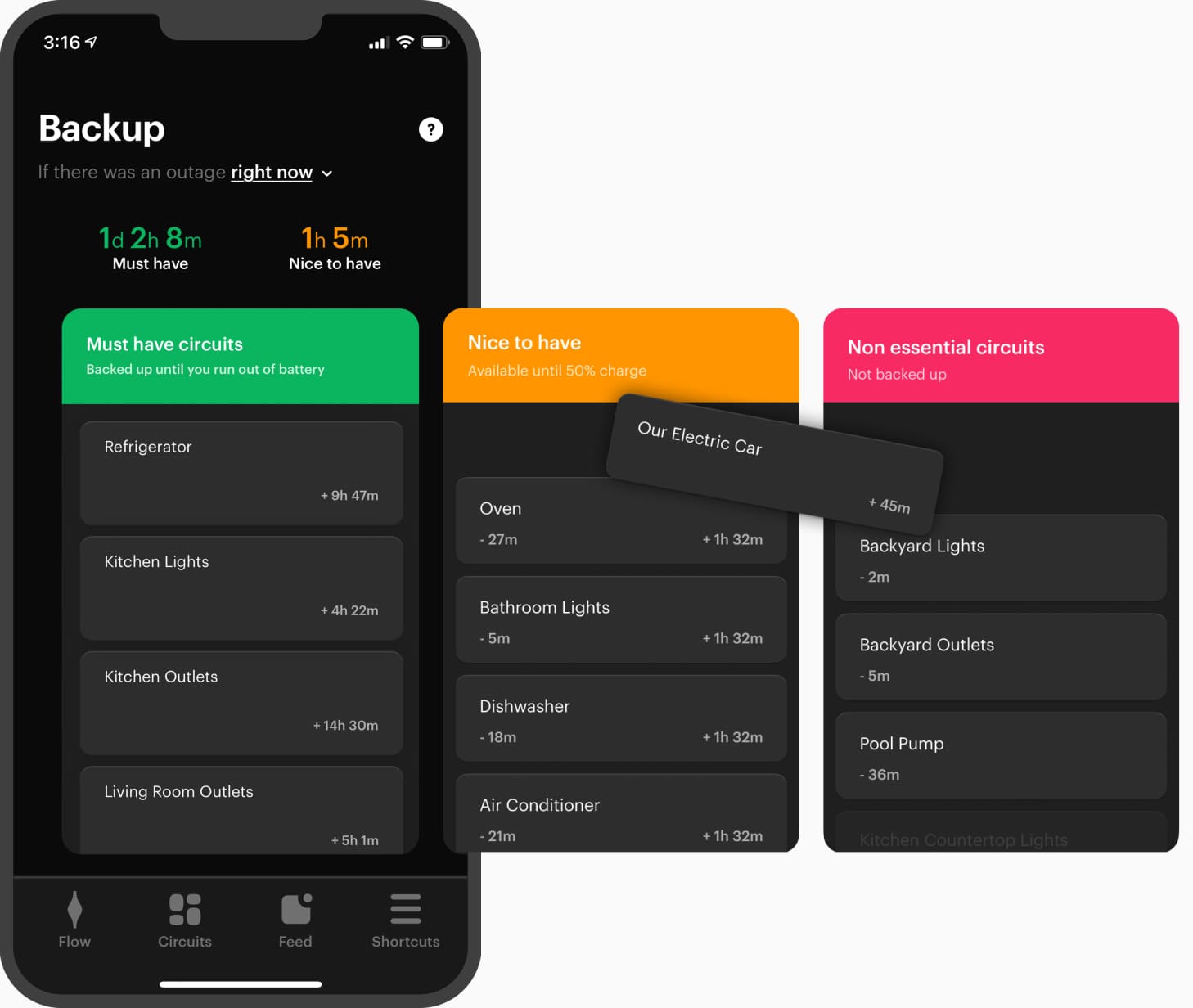
During an outage, the panel automatically switches your home to battery power and lets you choose which circuits stay energized. You can prioritize your refrigerator, home office, and medical equipment while temporarily shedding loads like the water heater or second HVAC system to extend your backup runtime.
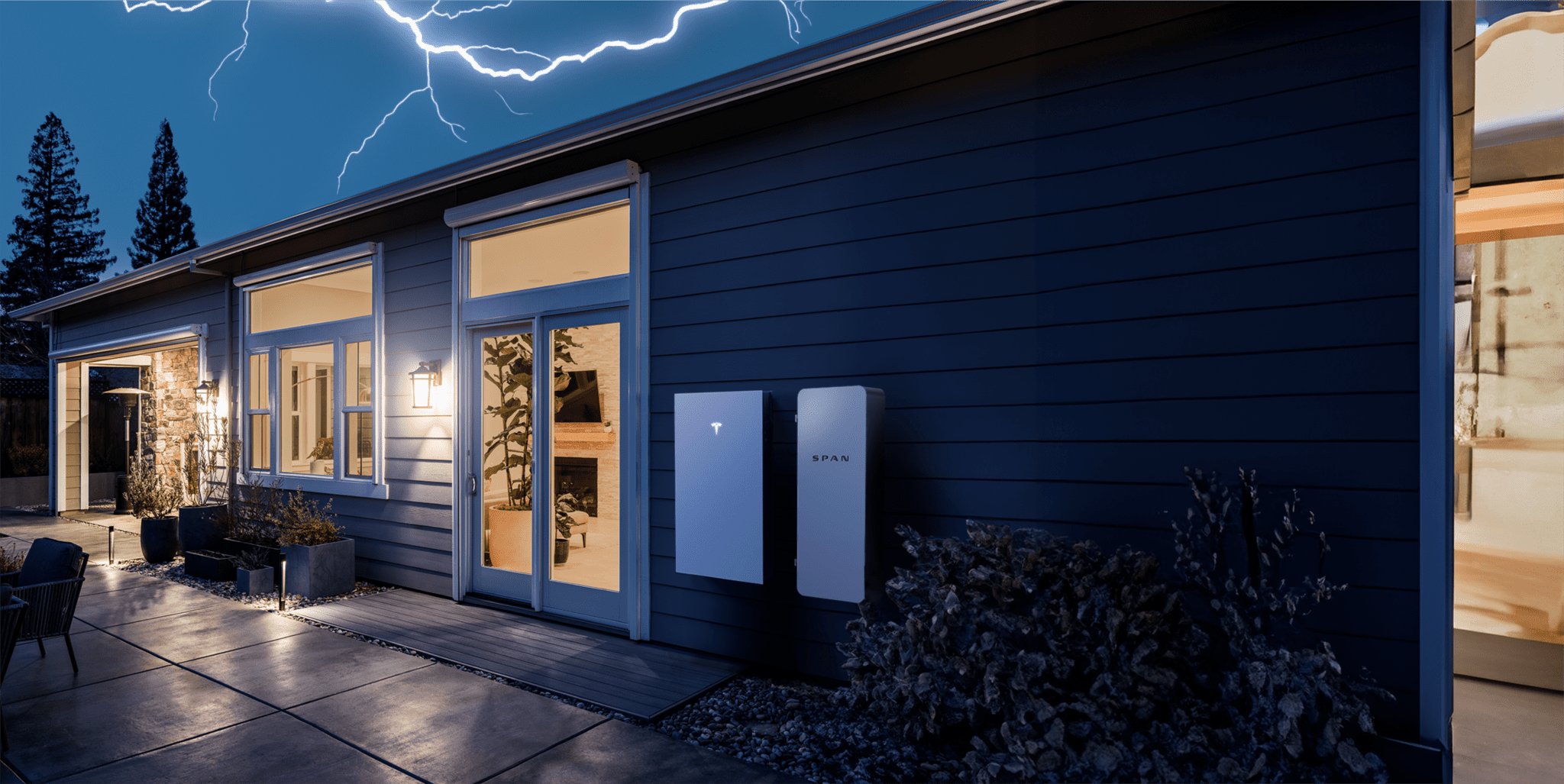
Northwest Electric and Solar integrates SPAN smart panels with Tesla Powerwall and other battery storage systems to create a unified home energy ecosystem. The SPAN panel communicates with your battery to optimize when stored energy gets used, automatically adjusting based on your household’s patterns and the current grid status.
What Features Should Washington Homeowners Look for in a Smart Panel?
Not all smart panels offer the same capabilities. When evaluating options for your Washington home, focus on features that address the specific challenges of our region.
Circuit-Level Monitoring and Control
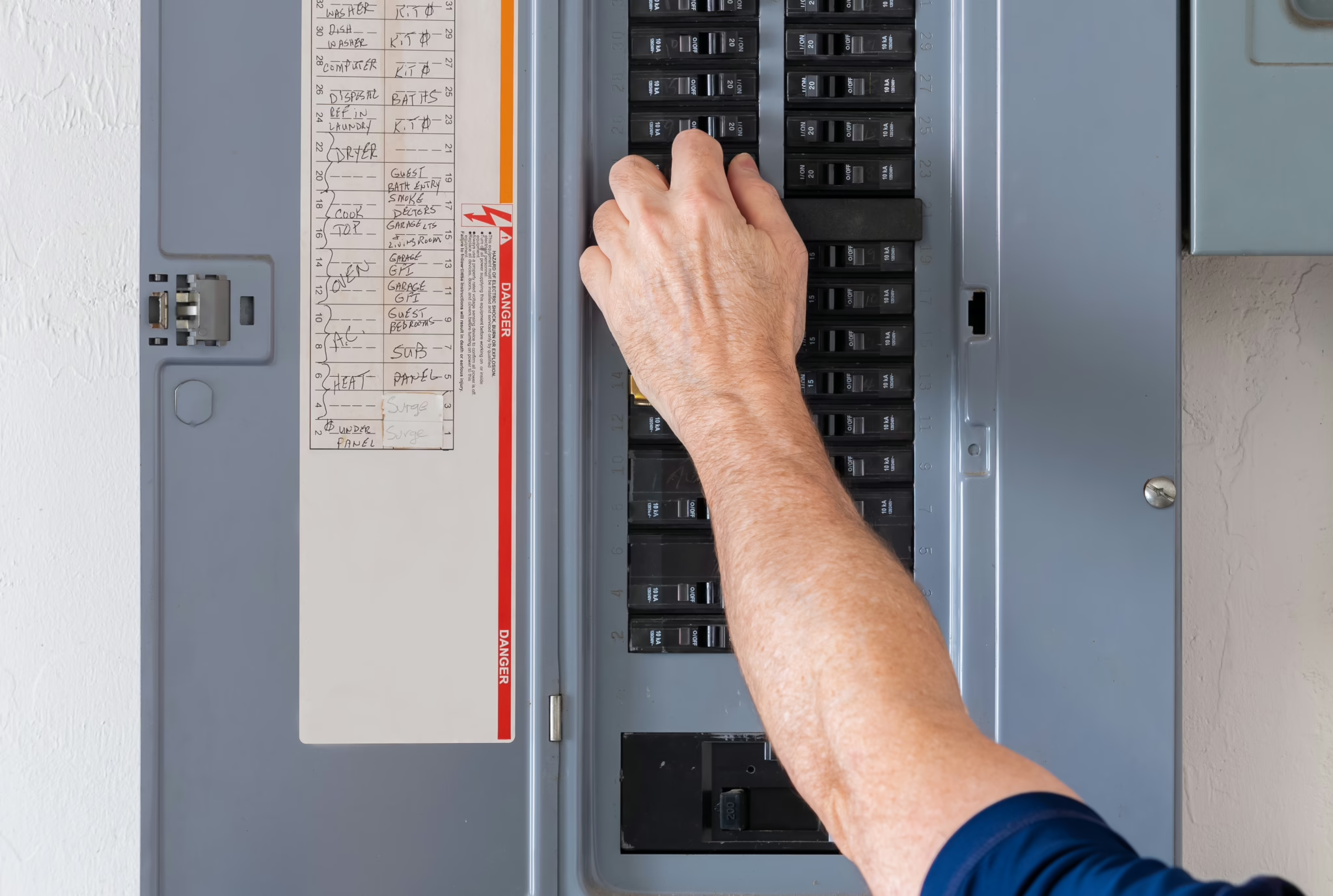
The most useful smart panels track power consumption for every individual circuit and let you turn circuits on or off remotely. This granular control matters during outages when you need to stretch your battery backup as long as possible.
Look for panels that show real-time data in kilowatt-hours and estimated cost, not just vague usage graphs. The ability to see exactly how much your EV charger or heat pump draws helps you make better decisions about when to run these appliances.
Intelligent Load Management
SPAN’s PowerUp feature exemplifies effective load management. The system continuously monitors your main breaker’s current draw and automatically pauses non-essential circuits when your home approaches capacity. Once demand drops, power restores to those circuits without any manual intervention.
This capability proves especially valuable when multiple high-draw appliances cycle on simultaneously. Your heat pump, water heater, and EV charger running at the same time could exceed your service capacity. Smart load management prevents that scenario while keeping your home comfortable.
Battery Optimization During Outages
A SPAN study demonstrated that intelligent load shedding can extend battery backup duration by up to 40%. During a prolonged outage, that difference could mean keeping your refrigerator running for an additional day or maintaining heat through another cold night.
The best smart panels let you set priority levels for each circuit in advance. When an outage occurs, the system automatically manages your backup power based on those preferences, so you do not need to manually juggle circuits during a stressful situation.
How Does Home Energy Monitoring Work with Smart Panels?
Energy monitoring gives you visibility into where your electricity actually goes. Traditional utility bills show total consumption, but a smart panel breaks that down by circuit and often by individual appliance.
The SPAN Home App and similar interfaces display real-time power flow, historical usage patterns, and cost estimates based on your utility’s rate structure. You can identify “vampire loads” from devices that draw power even when not in use, spot inefficient appliances, and track how your solar panels perform throughout the day.
For Washington homeowners on time-of-use rates, this data helps you shift energy-intensive activities to lower-cost periods. Running your EV charger overnight or scheduling your water heater to heat during off-peak hours can meaningfully reduce your monthly bills.
What Battery Backup Options Work with Smart Electrical Panels?
Smart panels are designed to work with leading battery storage systems available in Washington. Compatibility matters because your panel and battery need to communicate effectively during both normal operation and grid outages.
Tesla Powerwall Integration
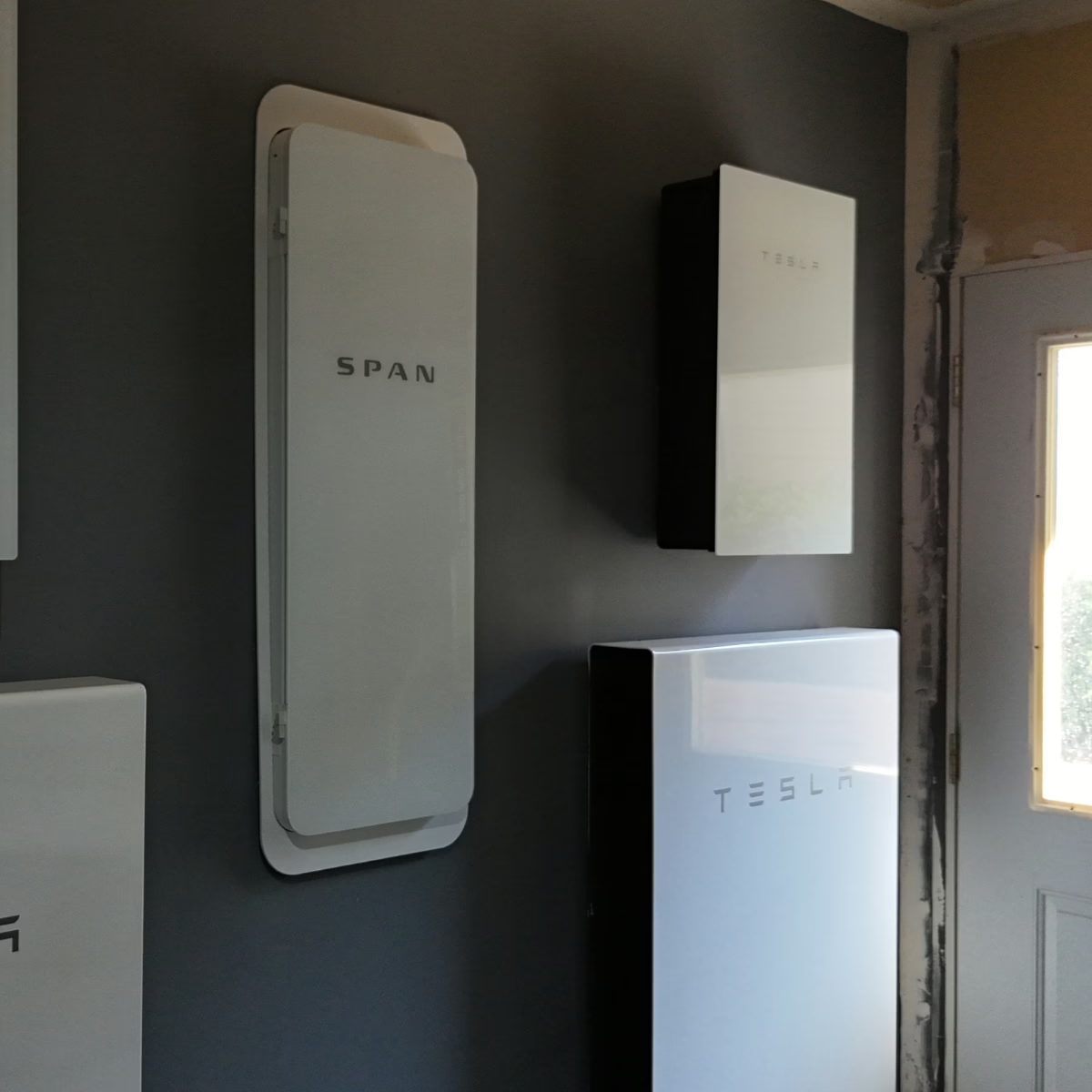
The Tesla Powerwall pairs exceptionally well with SPAN panels. Both systems share data about your home’s energy flows, allowing coordinated decisions about when to store solar energy, when to draw from the battery, and how to manage loads during an outage.
As a Tesla Premier Certified Installer, Northwest Electric and Solar configures these systems to work together optimally.The Powerwall’s 13.5 kWh of storage combined with SPAN’s intelligent load management gives Washington homeowners substantial resilience during extended power outages.
Other Compatible Battery Systems
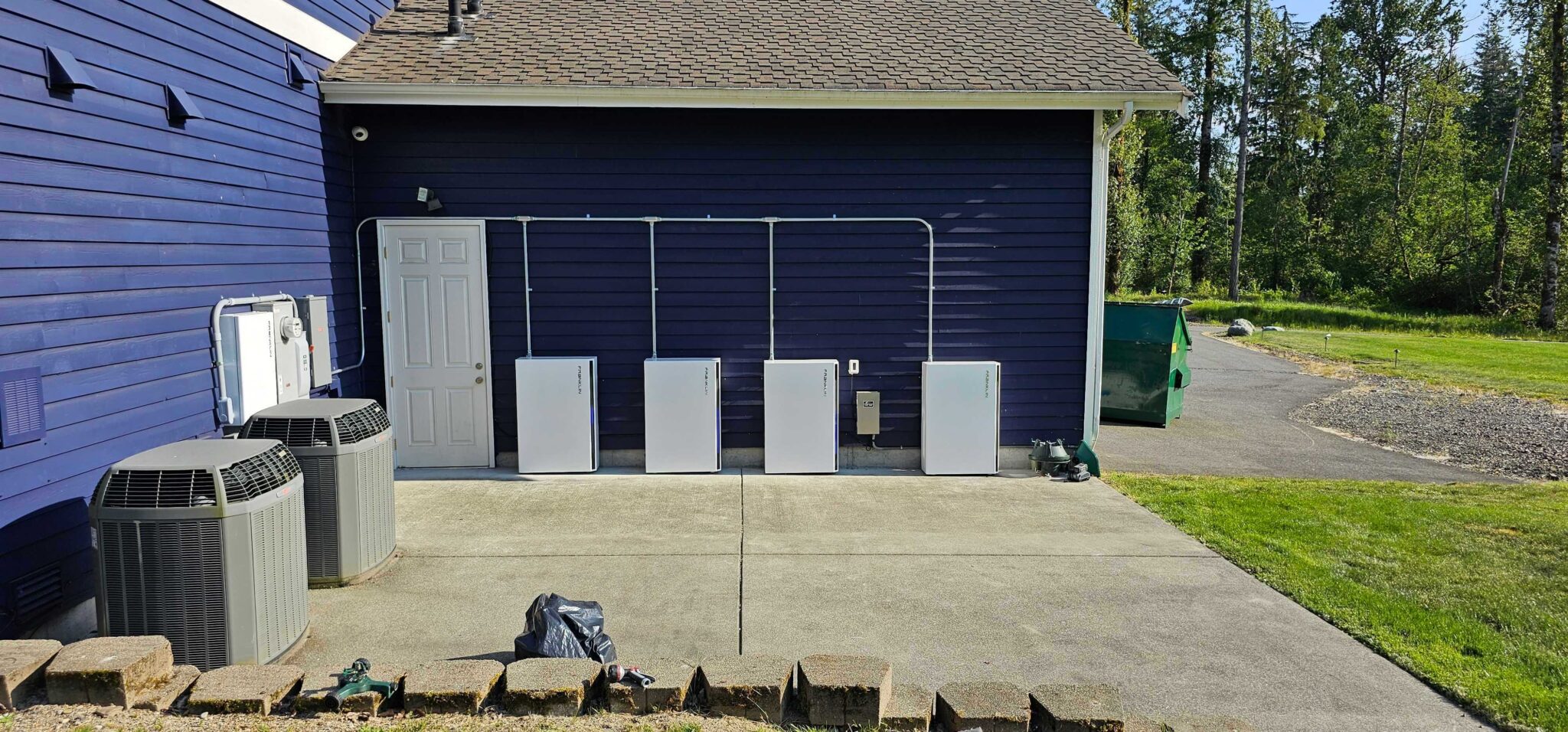
SPAN also integrates with Enphase IQ Batteries, FranklinWH, SolarEdge Energy Bank, and LG Chem RESU systems. Each has different strengths in terms of capacity, power output, and scalability. Your installer can help determine which combination makes sense for your home’s specific backup needs and solar production.
When sizing your battery, consider what you actually need to power during an outage versus what would be nice to have. A smart panel’s ability to shed non-essential loads means you can often meet your core needs with a smaller, less expensive battery system than you might otherwise require.
How Do Smart Panels Help Avoid Costly Service Upgrades?
This is where smart panels deliver the most dramatic financial value for many Washington homeowners. Traditional electrification often triggers expensive utility service upgrades that can cost $3,000 to $20,000 or more and take months to complete.
SPAN’s PowerUp feature works around this problem through software rather than infrastructure. The system monitors your total electrical load in real time and keeps consumption below 80% of your home’s rated capacity, complying with National Electrical Code standards while avoiding the need for physical upgrades.
Here is how it works in practice: You want to add an EV charger and heat pump to your home with 200A service. Traditionally, an electrician might tell you those additions require upgrading to 400A service. With a SPAN panel, the system automatically pauses your water heater for a few minutes if your heat pump and EV charger happen to cycle on simultaneously. Once demand drops, the water heater resumes heating.
For many homeowners, a SPAN installation costing $7,000 to $10,000 makes more financial sense than a $15,000+ service upgrade, especially when you factor in the monitoring, backup optimization, and future-proofing benefits the smart panel adds.
What Washington Incentives Apply to Smart Panel Installations?
Several federal and state incentives can help offset the cost of adding a smart panel to your Washington home.
Washington State Benefits
Washington does not currently offer direct rebates for smart panel installations, but the state’s solar sales tax exemption applies to integrated system components. Net metering through utilities like Puget Sound Energy, Seattle City Light, and Snohomish PUD allows you to bank excess solar production as credits, making your overall solar-plus-storage investment more valuable.
Some utilities are launching virtual power plant programs that pay battery owners for participating in grid support during peak demand periods. A smart panel’s visibility and control capabilities position your home to benefit from these emerging programs.
How Does Installation Work for a Smart Electrical Panel?
Installing a smart panel requires a licensed electrician and typically involves replacing your existing main electrical panel entirely. The process includes several steps and generally takes a full day or more to complete.
Pre-Installation Assessment
Your installer evaluates your current electrical system, determines panel sizing based on your home’s circuits, and assesses whether any wiring updates are needed. They also review your solar and battery integration plans to ensure all components will communicate properly.
Northwest Electric and Solar’s team examines your utility interconnection requirements during this phase. Different Washington utilities have varying specifications for solar and battery connections, and proper compliance from the start prevents delays later.
Installation Day
On installation day, the electrician disconnects power to your home, removes your existing panel, and installs the new smart panel in its place. All circuits get reconnected, and the installer configures the smart features through the panel’s app.
If you are adding battery storage at the same time, that installation happens concurrently. The installer ensures your smart panel, battery, and any existing solar system communicate correctly and sets up your backup priorities based on your household’s needs.
Permitting and Inspection
Electrical panel replacements require permits in all Washington jurisdictions. Your installer handles permit applications and schedules the required inspections. Once the inspector approves the work, your utility completes the interconnection for any solar or battery systems.
Which Smart Panel Brands Are Available in Washington?
Several manufacturers produce smart electrical panels, each with different strengths and price points. Here is how the major options compare for Washington homeowners.
SPAN Panel
SPAN represents the most feature-rich option for whole-home smart panel replacement. Every circuit becomes individually controllable through the app, and the PowerUp load management feature distinguishes SPAN from other options. The panel uses standard 1-inch breakers, avoiding proprietary hardware concerns.
As a SPAN Premier Installer, Northwest Electric and Solar has completed numerous SPAN installations across Washington and understands the system’s capabilities thoroughly.
Other Smart Panel Options
Lumin offers a retrofit approach that adds smart control to selected circuits without replacing your entire panel. This costs less than a full SPAN installation but provides less comprehensive control and monitoring.
Schneider Electric’s Home Pulse and Leviton’s smart breaker systems offer smart functionality through modular approaches. These can make sense for new construction or when you only need intelligence on specific circuits rather than whole-home coverage.
For homeowners focused primarily on solar battery optimization, sometimes a smart load controller is sufficient. These devices manage specific high-draw circuits like EV chargers without the full capabilities of a smart panel.
What Should You Consider Before Installing a Smart Panel?
Before committing to a smart panel, evaluate whether your home and energy goals align with what these systems offer.
Your Electrification Timeline
If you plan to add an EV, heat pump, or other high-draw appliances within the next few years, a smart panel makes strategic sense. Installing it now positions your home for those additions without requiring a second major electrical project later.
If your electrical needs are stable and you have no plans for significant changes, a traditional panel might serve you adequately at lower cost.
Battery Backup Priorities
Smart panels shine during power outages when paired with battery storage. If your area experiences frequent outages or you have critical loads like medical equipment, the control and optimization features deliver substantial value.
For homes with reliable grid power and minimal backup concerns, the outage management features matter less, though energy monitoring and load management still offer benefits.
Internet Connectivity Requirements
Smart panels need internet connectivity for their full feature set. The core safety and power distribution functions work without internet, but you lose remote monitoring and control during connectivity outages. Some panels offer cellular backup to maintain app access even when home internet fails.
How Northwest Electric and Solar Supports Your Smart Panel Installation
Selecting and installing a smart electrical panel involves technical decisions that affect your home’s electrical safety and energy performance for years to come. Working with an experienced installer ensures you get the right system configured correctly.
Northwest Electric and Solar brings specific expertise to smart panel projects in Washington. Our team holds NABCEP certification, Tesla Premier Certified Installer status, and SPAN Premier Installer recognition. We understand Washington’s utility requirements, permitting processes, and the specific challenges our regional climate presents for home energy systems.
During your consultation, we evaluate your current electrical infrastructure, discuss your electrification goals, and recommend a smart panel configuration that meets your needs without unnecessary features or costs. If your project involves solar panels, battery storage, or EV charging, we design all components as an integrated system rather than piecemeal additions.
FAQs about Smart Electrical Panels for Solar Integration, Home Energy Monitoring, and Battery Backup
-
What Is the Difference Between a Smart Panel and a Traditional Electrical Panel?

A traditional panel distributes electricity to circuits and trips breakers during overloads. A smart panel adds real-time monitoring, app-based remote control, and intelligent load management. Northwest Electric and Solar installs SPAN smart panels that let you see exactly where every watt goes and control circuits from anywhere.
-
How Much Does a Smart Electrical Panel Cost in Washington?
Smart panel installations in Washington typically range from $7,000 to $10,000 including labor, though costs vary based on panel size and installation complexity. Federal tax credits of up to $600 for panel upgrades can reduce your net cost. When compared to traditional service upgrades costing $15,000 or more, smart panels often deliver better value. SPAN 24 & 16 models cost between $4,000 to $6,000 and brings all the same features that the larger models do.
-
Can a Smart Panel Work Without Solar Panels or Battery Storage?
Yes, smart panels function independently of solar and battery systems. You still gain energy monitoring, load management, and remote circuit control. However, the backup optimization features require battery storage to deliver their full value during grid outages.
-
How Does a Smart Panel Extend Battery Backup During Outages?
Smart panels intelligently shed non-essential loads when battery capacity drops, keeping your critical circuits powered longer. Northwest Electric and Solar configures SPAN panels with custom priority settings for your household, so your refrigerator and medical equipment stay running while discretionary loads pause automatically.
-
Do Smart Panels Work During Internet Outages?
The core electrical functions work without internet connectivity. You lose remote app control and monitoring until connectivity returns, but the panel continues distributing power safely and managing loads based on previously saved settings. Some smart panels offer cellular backup for maintained app access.
-
How Long Does Smart Panel Installation Take?
Most smart panel installations take one full day, though complex projects involving solar and battery integration may require additional time. Northwest Electric and Solar handles permitting, inspection scheduling, and utility coordination throughout the process.
-
Can I Install a Smart Panel in an Older Washington Home?
Smart panels work well in older homes and often represent the most practical solution for adding modern electrical loads without expensive service upgrades. A pre-installation assessment determines whether any wiring updates are needed to support the new panel and your planned additions.