

Powering Your EV at Home
As electric vehicles continue to grow in popularity across Washington, more homeowners are exploring the benefits of installing a Level 2 home EV charger. Home charging is not only faster and more convenient than relying on public stations — it also increases home value, improves daily reliability, and supports a cleaner energy future.
If you’re considering an EV or already own one, here’s a clear breakdown of what you should know before installing a home charging solution.
Why Install an EV Charger at Home?
-
Faster Charging Speeds

Most EVs come with a basic Level 1 charger that plugs into a standard household outlet. While convenient, it offers slow charging — often taking more than 24 hours to fully charge a modern EV.
A Level 2 charger, professionally installed, can charge your EV up to 10x faster, giving you:
- Overnight full charges
- Added daily driving range in a few hours
- Less dependence on public infrastructure
This upgrade is a game changer for busy households.
-
Convenience and Reliability
With home charging, there’s no need to compete for public chargers or plan your day around your vehicle’s battery level. Your EV begins each morning fully charged, ready for your commute or errands.
-
Lower Long-Term Charging Costs
Home electricity rates are typically cheaper than most public charging stations — especially fast chargers. Pairing an EV charger with solar or battery storage can reduce charging costs even further.
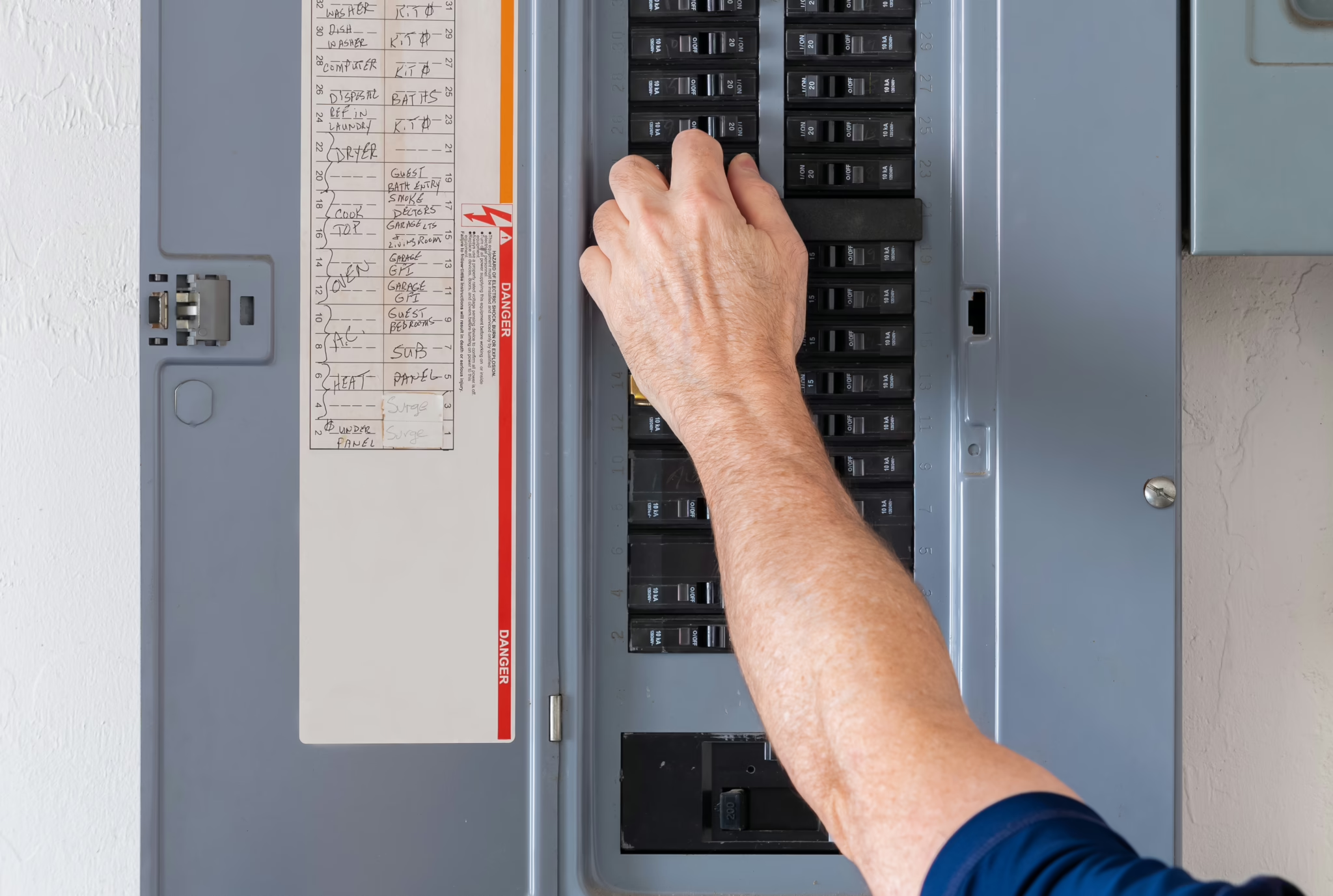
Is Your Electrical Panel Ready for an EV Charger?
Before installing a Level 2 charger, it’s important to understand whether your home’s electrical system can support it. Most chargers require a 240V dedicated circuit, similar to what’s used for a dryer or oven.
Key considerations include:
- Panel size & available capacity
- Age of the home’s electrical system
- Existing large appliances and loads
Our licensed electricians perform a full assessment to ensure your home is ready. If upgrades are needed, options include:
Panel Upgrades
If your panel is full or outdated, an upgrade may be required to safely support EV charging.
Smart Panels (SPAN)
Smart panels intelligently manage home energy loads, often avoiding the need for an expensive utility service upgrade. (We’ll cover this in detail in your next blog.)
EV Charging + Solar = Maximum Efficiency
Charging your EV with solar energy is the most cost-effective and environmentally friendly option. Pairing solar + battery storage + home EV charging offers benefits such as…

Lower Lifetime Charging Costs

Energy Independence During Outages

Reduced Carbon Footprint
Types of Home EV Chargers
Not all chargers are the same, and choosing the right one depends on your vehicle, your home’s wiring, and your preferred charging speed.
Level 1 Charger (Standard Outlet)
- No installation required
- Slow charging (3–5 miles of range per hour)
- Best for very light EV use
Level 2 Charger (Recommended)
- Requires professional installation
- 20–40 miles of range per hour
- Ideal for daily EV drivers
We install a wide range of Level 2 chargers, including:
- Tesla Wall Connector
- ChargePoint Home Flex
- Emporia
- And other popular brands

Ready to Install an EV Charger at Home?
We’re here to help Washington homeowners get set up with safer, faster, and more reliable EV charging. Whether you’re preparing for a future EV purchase or need to upgrade your current setup, we can support the entire process. Get in touch to schedule your EV charging assessment today.