The Energy Situation
For decades, the Pacific Northwest enjoyed a period of relatively stable electricity demand. However, we have officially entered a new era characterized by rapid growth that is placing strain on our regional power system. Data from the 2026 Northwest Regional Forecast shows that electricity demand could increase by approximately 30% over the next decade. This shift signals that rising demand is pushing the power system toward its limits, moving the region from a position of surplus to one that is increasingly constrained.
Factors for a Strained Grid
Several key drivers are behind this unprecedented pressure on our infrastructure:

Large Load Growth:
The primary driver of regional growth is the concentration of large-scale digital infrastructure, specifically data centers.
Electrification:
The structural shift toward electrifying transportation and buildings is significantly increasing the load on our grid.
Transmission Gaps:
While $47 Billion in transmission upgrades are planned, only about 20% are currently under construction, creating a major bottleneck for bringing new resources online.

Climate and Cooling:
Hotter summer weather and a corresponding rise in air-conditioning use are causing summer peak demand to grow faster than historical averages.
How This Affects Your Utility Bills
- Capacity Shortfalls: The region faces substantial gaps between requirements and available resources, with a projected winter peak deficit of roughly 13,100 MW by 2036.
- Market Volatility: Relying on short-term market purchases to cover these gaps is a risky foundation for long-term planning and can expose consumers to high price spikes.
- Infrastructure Investment: To ensure reliability, utilities must pursue a range of expensive strategies, including new large-scale generating resources and expanded transmission.
Supporting the Grid and Your Wallet
The good news is that homeowners can play an active role in building regional resilience while managing their own energy costs:
- Energy Efficiency: Utilities project that cumulative energy efficiency measures can save approximately 2,300 average megawatts over the next 10 years, directly offsetting load growth.
- Demand Response: Participating in programs that shift electricity use during periods of high demand helps reduce the risk of capacity shortfalls during extreme weather.
- Load Flexibility: Shifting tasks like EV charging or heavy appliance use to off-peak hours helps optimize the existing grid infrastructure.
Taking Control with Energy Resilience
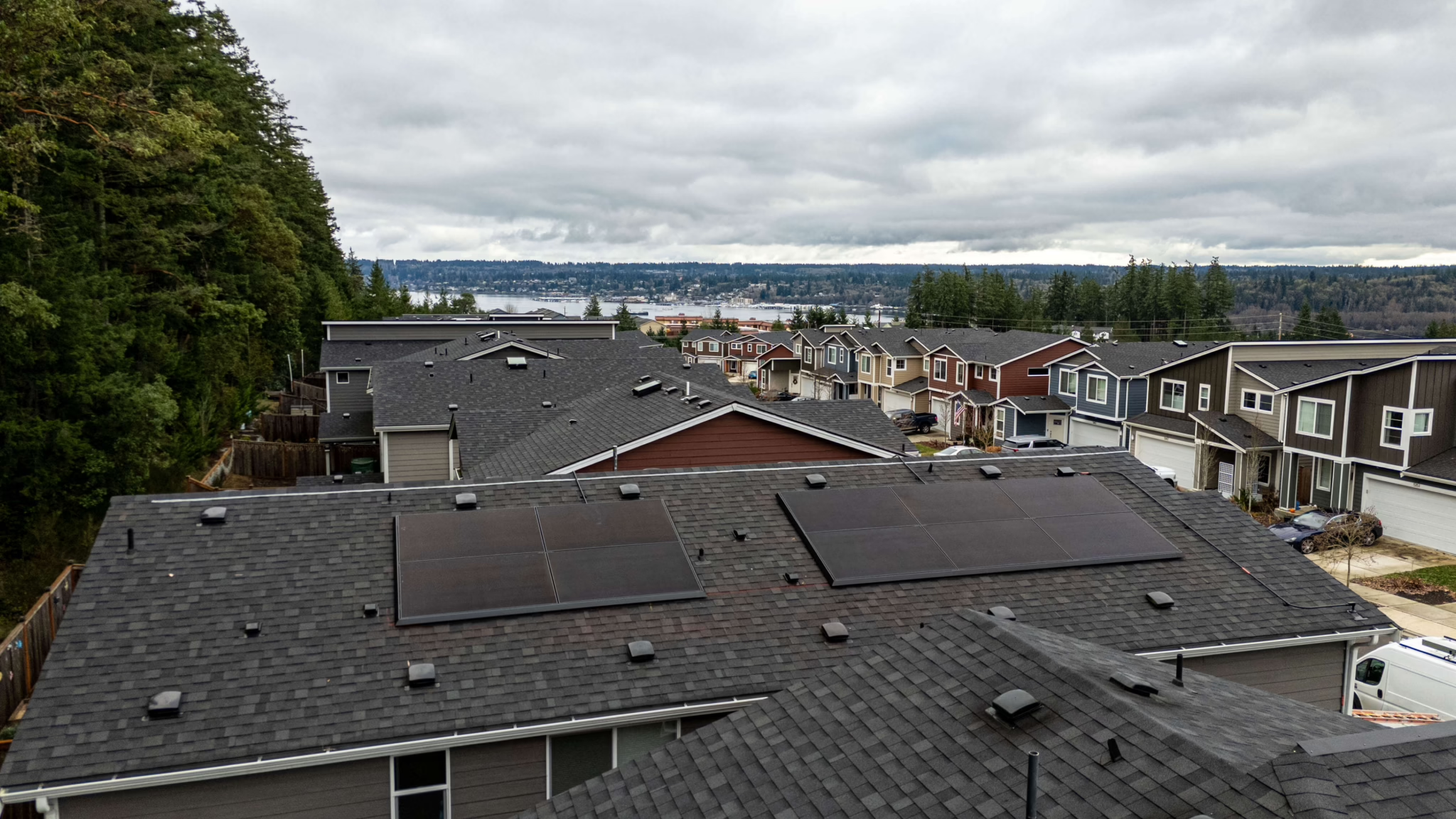
The most effective way to navigate this regional transition is through Distributed Energy Resources (DERs). By integrating customer-sited solar and battery storage into a Net Metering agreement or a Virtual Power Plant (VPP), you provide the flexible grid services our region needs while protecting your own home’s power and long-term electricity costs.
As Washington’s leading energy resilience service provider, Northwest Electric & Solar is here to help you take control of your energy journey. Whether you want to optimize how you use, store, or generate electricity, we can walk you through your options. We highlight every opportunity to reduce your energy costs and ensure you stay powered through any utility outage.